
In Islamic finance, few concepts are as crucial yet often misunderstood as Nisab. This fundamental principle is pivotal in determining a Muslim’s obligation to pay Zakat, one of the Five Pillars of Islam. Nisab, derived from the Arabic word “origin,” represents the minimum wealth threshold a Muslim must possess before giving Zakat.
Established by Prophet Muhammad (peace be upon him), Nisab serves as a compassionate safeguard, ensuring that Zakat is paid by those with surplus wealth while protecting those who may be financially vulnerable. This threshold is traditionally based on the value of gold or silver, reflecting the currency standards of early Islamic times.
To apply this threshold today, it is necessary to find the equivalent monetary exchange value of these rates in the local currency, as gold and silver are no longer used as currency.
Understanding Nisab is essential for every Muslim seeking to fulfill their religious obligations accurately. It determines whether an individual is eligible to pay Zakat and impacts the calculation of the amount due. As we delve deeper into this concept, we’ll explore how Nisab is calculated in modern times, its current values, and its profound impact on the Islamic wealth redistribution principle.
Whether you’re a long-time Zakat payer or just beginning to navigate your financial responsibilities in Islam, grasping the nuances of Nisab will empower you to approach Zakat with confidence and clarity. Let’s embark on this journey to unravel the intricacies of Nisab and its crucial role in shaping your Zakat obligations.
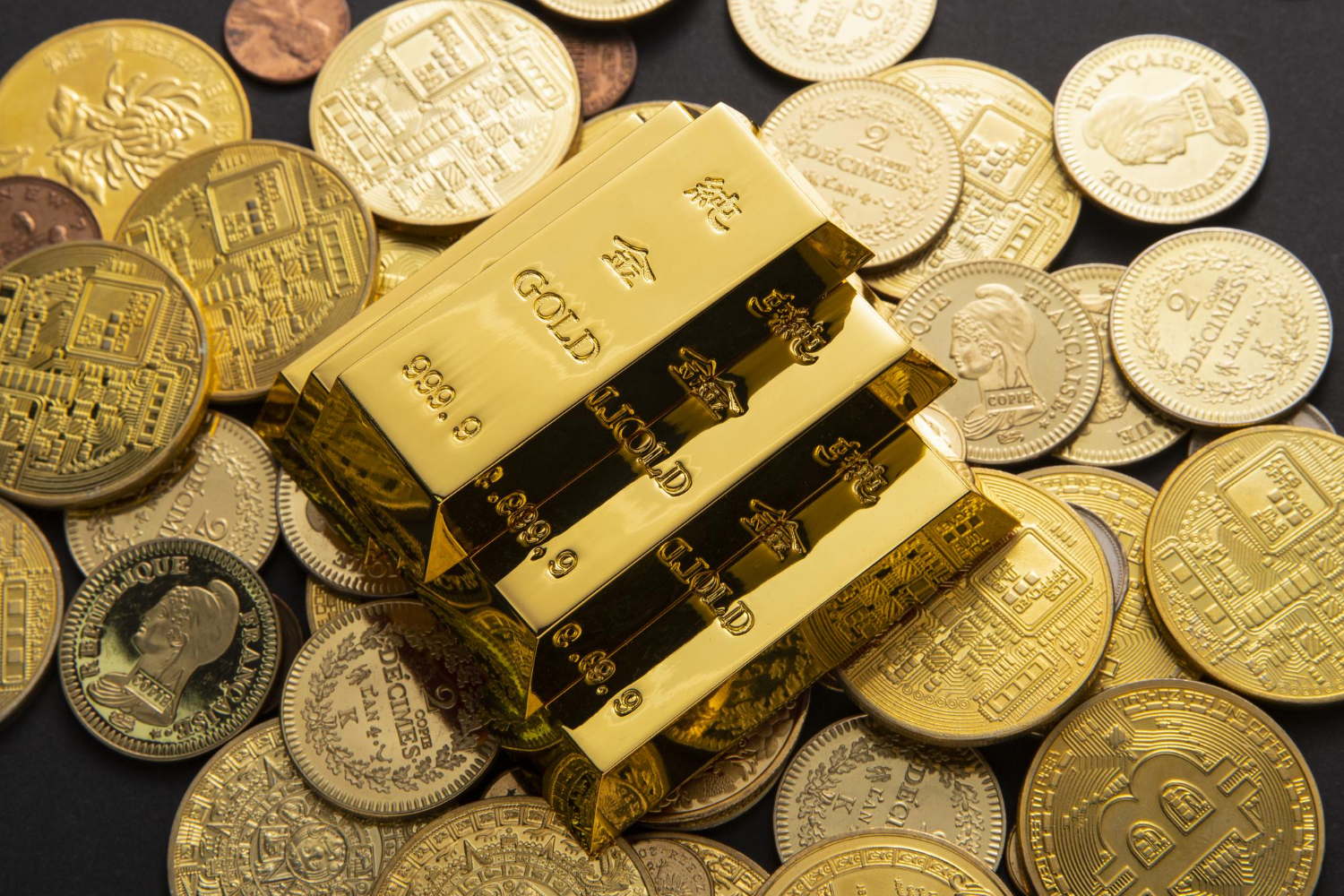
Nisab is a fundamental concept in Islamic finance crucial in determining one's obligation to pay Zakat. It represents the minimum wealth a Muslim must possess before being obligated to give Zakat. This threshold was established by Prophet Muhammad (peace be upon him) to ensure that Zakat is paid by those with surplus wealth while protecting those struggling financially.
The Prophet set the Nisab threshold at a rate equivalent to:
These two values serve as the basis for calculating the Nisab threshold in modern times. It's important to note that as we no longer use gold or silver as currency, Muslims need to determine the equivalent monetary value of these rates in their local currency by checking current market rates for gold and silver.
As of June 14, 2024, the current Nisab values are approximately:
These values fluctuate based on the current market prices of gold and silver. It is crucial to check the most up-to-date rates when calculating your Zakat eligibility.
Islamic Relief and many scholars advise using silver to ascertain the Nisab threshold and eligibility to pay Zakat. The silver standard typically results in a lower threshold, allowing more people to be eligible for Zakat. Consequently, this approach increases the amount of charity distributed, benefiting many poor and needy individuals.
However, it's worth noting that if your assets consist entirely of gold, you must use the gold Nisab, and similarly, if they consist entirely of silver, you must use the silver Nisab.
To be eligible for paying Zakat, an individual must meet the following criteria:
It's important to understand that Zakat is calculated on wealth rather than income. For example, if someone earns $20,000 a year but only has $200 in savings, they would calculate their Zakat based on the $200 in savings, not their annual income.
Students who have reached the Nisab threshold must also pay Zakat, as the obligation is based on wealth, not employment status.
Many organizations offer online Zakat calculators to simplify the process of determining if you've reached the Nisab threshold and calculating your Zakat. These tools typically ask you to input various types of wealth, including:
To be eligible for paying Zakat, an individual must meet the following criteria:
When using a Zakat calculator, you'll need to enter the current market values of your assets. The calculator will then determine if your total wealth exceeds the Nisab threshold and, if so, calculate the amount of Zakat due (typically 2.5% of eligible wealth)
Once you've determined that you're eligible to pay Zakat and calculated the amount due, it's essential to understand when and how to fulfill this religious obligation:
Once you've determined that you're eligible to pay Zakat and calculated the amount due, it's essential to understand when and how to fulfill this religious obligation:
Zakat holds a significant place in Islam as one of the Five Pillars of the faith. Its importance extends beyond mere financial transactions, serving several crucial purposes:
Understanding Nisab is crucial for every Muslim who wants to fulfill their Zakat obligation correctly. The Nisab threshold serves as a safeguard, ensuring that Zakat is paid by those with surplus wealth while protecting those financially vulnerable.
By using the current market values of gold or silver to calculate Nisab, Muslims can accurately determine their Zakat eligibility in today's economic context. Many scholars and organizations like Islamic Relief prefer using the silver standard, demonstrating a commitment to maximizing the benefits of Zakat for those in need.
Ultimately, the concept of Nisab, combined with Zakat's annual calculation and payment, creates a sustainable wealth redistribution system within the Muslim community. This system helps alleviate poverty and promotes social cohesion, economic stability, and spiritual growth.
As you calculate your Zakat this year, remember that you're not only fulfilling a religious obligation but also participating in a profound act of worship that has far-reaching impacts on individuals and society. By paying Zakat, you're contributing to the betterment of your community and embodying the Islamic principles of compassion, generosity, and social responsibility.