
Throughout the Holy Month of Ramadan, Muslims around the world embark on a journey of heightened spirituality, devotion, and self-reflection. Central to this sacred time is the observance of Taraweeh prayers, a beautiful and enriching nightly ritual that holds immense significance in Islam.
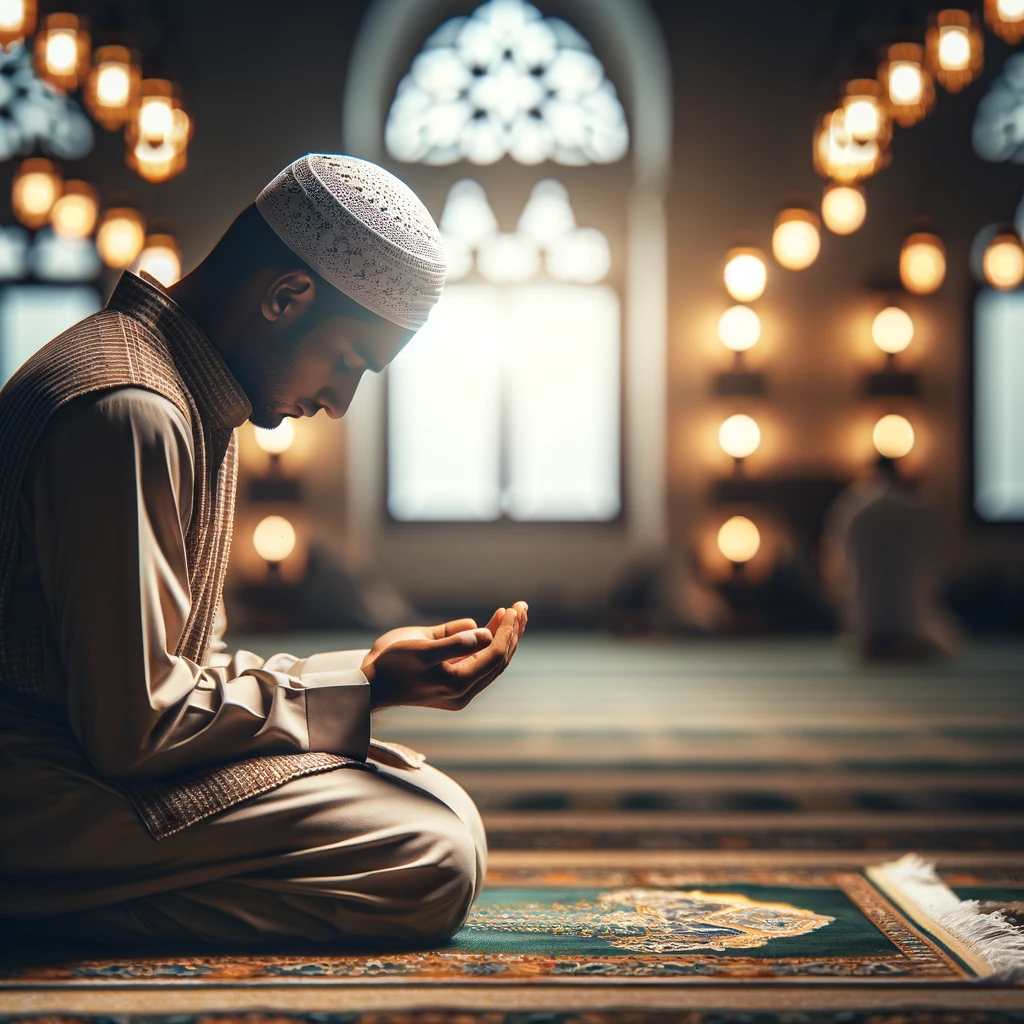
Taraweeh prayers are special nightly prayers performed during the month of Ramadan following the obligatory Isha (night) prayer. Taraweeh prayers are voluntary (nafl) prayers and are not obligatory. While highly encouraged and beneficial, they are not a compulsory act of worship. Muslims may choose to perform Taraweeh prayers based on their ability, circumstances, and level of devotion.
The word “Taraweeh” is derived from the Arabic word “raha,” which means rest or relaxation. These prayers are named as such because worshippers often take breaks between sets, providing an opportunity for reflection and rejuvenation.
The practice of Taraweeh prayers finds its roots in the Sunnah of the Prophet Mohammad ﷺ. He encouraged his followers to observe Taraweeh prayers during Ramadan. It is narrated by Aisha (may Allah be pleased with her) that the Prophet Mohammad ﷺ said:
“Whoever stands (in voluntary nightly prayer) in Ramadan out of faith and in the hope of reward, his previous sins will be forgiven.” (Sahih Bukhari)
Furthermore, Prophet Mohammad ﷺ himself would regularly perform Taraweeh prayers in congregation during Ramadan. He prayed Taraweeh in the mosque for several nights, leading his companions in prayer. His exemplary practice underscores the importance and significance of Taraweeh prayers in the life of a Muslim.
Taraweeh prayers hold deep spiritual significance for Muslims for several reasons:
Many mosques around the world offer Taraweeh prayers in congregation, led by an imam. Worshippers gather in mosques to perform Taraweeh together, creating a sense of community and spirituality. Praying in congregation is highly encouraged in Islam, including for Taraweeh prayers.
Mosques typically aim to complete the recitation of the entire Quran during Ramadan, dividing it into manageable portions to be recited each night. This allows worshippers to hear the entirety of the Quran over the course of the month, providing an opportunity for reflection and spiritual growth.
Muslims can also perform Taraweeh prayers at home. Families often come together to pray Taraweeh, creating an atmosphere of worship and devotion within the home.
Taraweeh prayers follow the same basic structure as the five daily prayers, with the addition of extra units (rak’ahs). Here is a simple guide on how to perform Taraweeh prayers:
Engaging in Taraweeh prayers offers numerous spiritual and personal benefits:
Taraweeh prayers are a cherished tradition during the month of Ramadan, offering Muslims a unique opportunity for spiritual growth, communal bonding, and closeness to Allah SWT. As we embark on this sacred journey, may we approach Taraweeh prayers with sincerity, devotion, and a deep longing for Allah SWT’s mercy and forgiveness.
“Indeed, this Quran guides to that which is most suitable and gives good tidings to the believers who do righteous deeds that they will have a great reward.” – Sourah Al-Isra (17:9)