
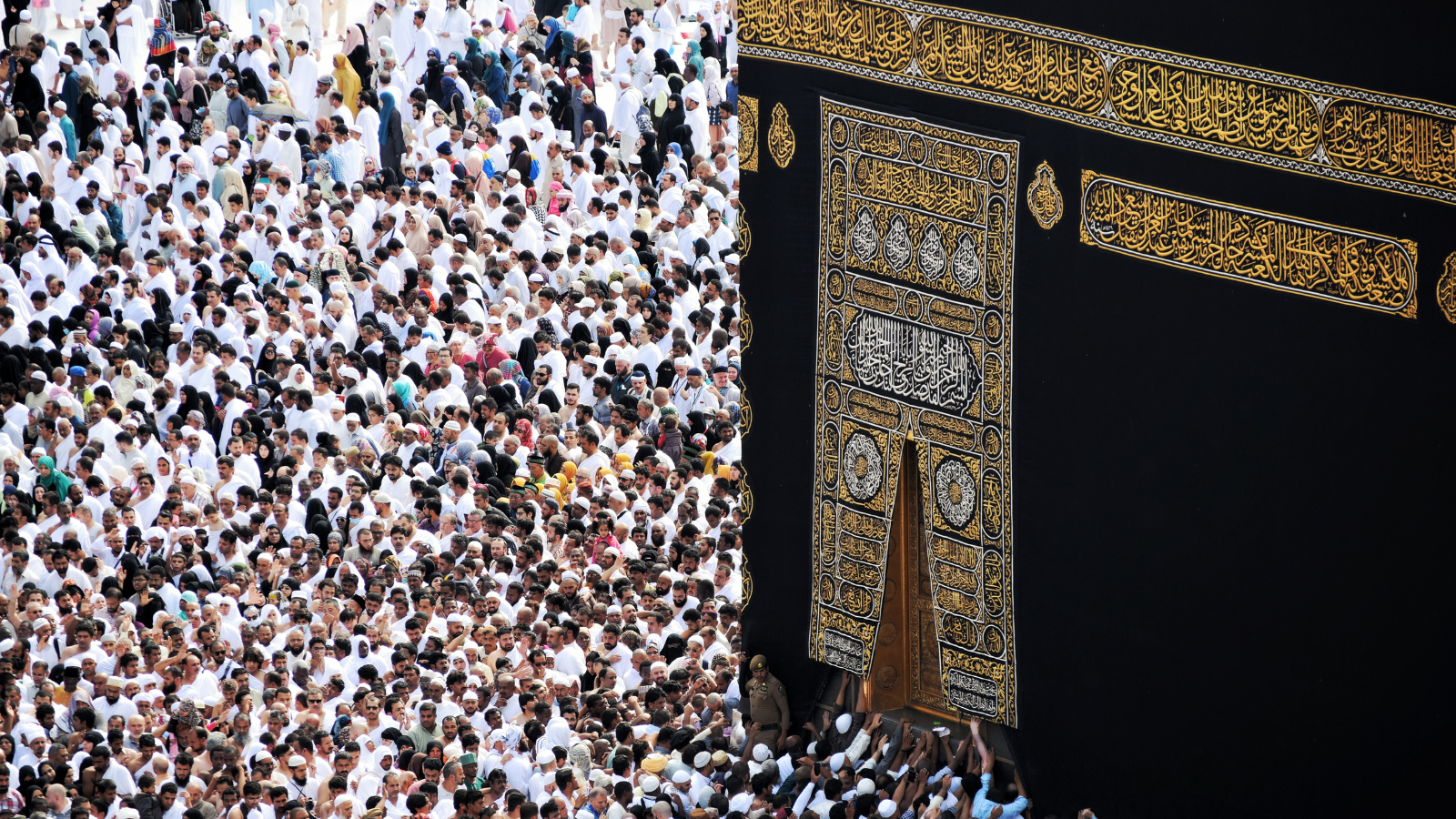
Dhul Hijjah is the last month in the Islamic calendar. It is known as a holy month, full of blessings from Allah (SWT). Muslims all over the world look forward to this time to increase their worship and do more good deeds. It is a special time to grow closer to Allah, ask for forgiveness, and gain rewards.
During this month, Muslims prepare for Hajj — the fifth pillar of Islam — and also for Eid ul Adha, also known as eid al adha. This Eid is called the “festival of sacrifice.” On this day, Muslims perform qurbani sacrifice to remember the great story of Prophet Ibrahim (AS) and his strong faith in Allah.
The first ten days of Dhul Hijjah are the best days of the year. After Ramadan, these ten days are the most loved by Allah (SWT). They are full of blessings and chances to do great things. The Prophet Muhammad (PBUH) told us that these days are the best for doing righteous deeds.
Good deeds like praying, fasting, giving charity, and saying dhikr (words of remembrance) are very special during these days. Muslims also get ready to perform Hajj or take part in qurbani donations. Doing these good deeds during the first ten days brings immense rewards from Allah (SWT).
The first ten days of Dhul Hijjah are a blessed time, just like Ramadan. Allah (SWT) even swears an oath by these ten nights in the Qur’an, in Surah Al-Fajr. This shows how important they are in Islam.
The ninth day of Dhul Hijjah is called the Day of Arafah. It is one of the most important days for Muslims. On this day, many people seek forgiveness and make lots of prayers. The Day of Arafah is when Allah (SWT) completed the religion of Islam. That’s why it is also known as a blessed day.
On this day, fasting is highly recommended for those not at Hajj. Fasting on Arafah can remove sins from the past and coming year. This is one of the greatest blessings of Dhul Hijjah.
Doing good deeds during the first ten days of Dhul Hijjah brings big rewards. These include fasting, giving charity, helping others, and being kind. Even small actions, like smiling or saying good words, are counted as great deeds.
The Prophet Muhammad (PBUH) said that fasting on the Day of Arafah erases the minor sins of the past year and the next one. This shows how much Allah (SWT) rewards worship during Dhul Hijjah.
Muslims are encouraged to increase their acts of worship, like eid salah (Eid prayer), qurbani donations, and praying more. Saying words of praise like Subhaan Allah, Al hamdu lillah, and Allahu Akbar is also highly rewarded. These words bring you closer to Allah (SWT) and fill your heart with peace and joy.
Hajj is one of the five pillars of Islam. It is a holy pilgrimage to the city of Mecca. It happens once a year during the first ten days of Dhul Hijjah. Muslims from all over the world travel to perform Hajj, following the footsteps of the beloved Prophet Muhammad (PBUH).
Eid ul Adha, also called eid al adha, is celebrated on the 10th day of Dhul Hijjah. It is a joyful day that marks the end of the sacred days. Muslims celebrate by going to the mosque for the eid prayer, and then offering the qurbani sacrifice.
The Hajj is a time for deep worship and change. Many people who perform Hajj feel spiritually renewed. It is a chance to seek forgiveness and grow closer to God. Those who can’t go to Hajj still gain rewards by praying and doing good deeds during Dhul Hijjah.
The story of Prophet Ibrahim (AS) and his son Ismail (AS) is the heart of Eid al Adha. Allah tested Prophet Ibrahim’s faith by asking him to sacrifice his beloved son. When Prophet Ibrahim was ready to obey, Allah (SWT) replaced Ismail with a ram. This showed Ibrahim’s strong obedience and faith.
Every year, Muslims remember this great story by doing the qurbani sacrifice. This act reminds us of the importance of sacrifice and trusting Allah. It is one of the greatest acts of worship done during this holy time.
Following Prophet Ibrahim’s legacy helps Muslims learn how to be strong in their faith. It teaches us to put Allah first, to give, and to obey even when it’s hard. Through this, we can become better people and earn blessings in this life and the next.
The importance of Dhul Hijjah cannot be overstated. It is a blessed month, full of chances to earn immense rewards from Allah (SWT). These first ten days are filled with love, mercy, and opportunities to grow in our faith.
Whether we are going on Hajj, offering qurbani, giving charity, or simply remembering Allah, every act counts. These appointed days are more valuable than all the other days in the year. They remind us of our duties as Muslims, and help us become better people.
Let us make the most of these blessed days by doing righteous deeds, being kind, and following the path of our Prophets. May Allah (SWT) accept our prayers, qurbani, and all our acts of worship. Ameen.
1. What is the significance of the first 10 days of Dhul Hijjah?
The first ten days of Dhul Hijjah are considered the best days of the year. Good deeds done during these days are more beloved to Allah (SWT) than on any other days. They offer immense blessings and rewards for worship and sacrifice.
2. Can I gain rewards even if I’m not performing Hajj?
Yes, you can still gain great rewards by fasting, praying, giving charity, saying Laa ilaaha ill Allah, and doing good deeds during these ten days. Hajj is not required for all Muslims, but worship during this time is highly valued.
3. Why do Muslims give Qurbani during Eid al-Adha?
Qurbani is done to honour the sacrifice of Prophet Ibrahim (AS). It shows obedience to Allah (SWT) and supports those in need. The meat is shared with the poor, family, and neighbours.
4. What should I do during the Day of Arafah?
Muslims are encouraged to fast, make dua, seek forgiveness, and remember Allah. It is one of the most powerful days for worship, and fasting on this day forgives sins for two years.
5. How can kids and families take part in Dhul Hijjah at home?
Families can pray together, read stories about the Prophets, donate to charity, say dhikr like Allahu Akbar and Al hamdu lillah, and learn about the meaning of Eid and Hajj. These actions help children love and understand this blessed time.