
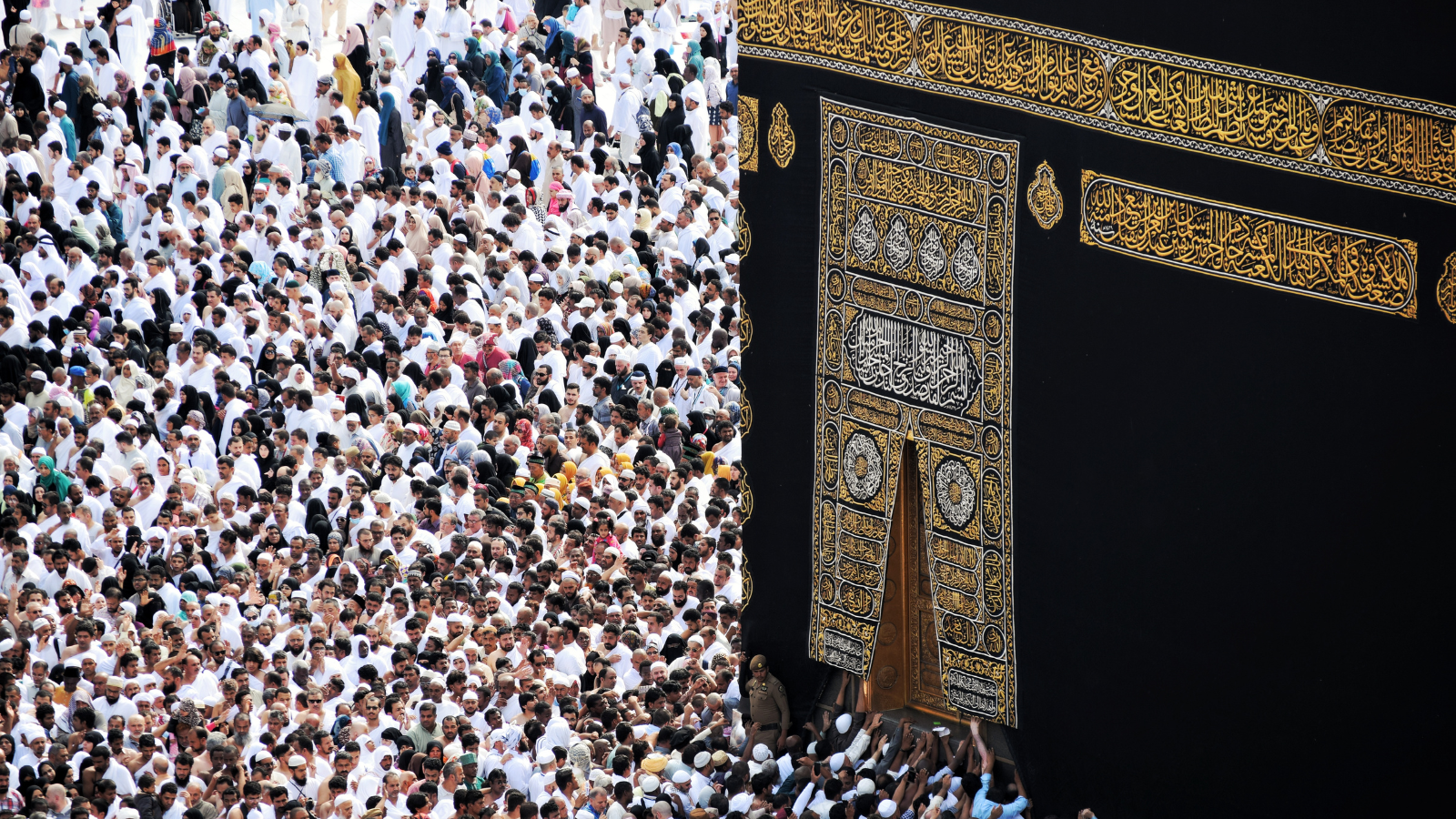
Eid al Adha, also known as Eid ul Adha or the “Greater Eid,” is one of the most important festivals in Islam. It celebrates Prophet Ibrahim’s willingness to sacrifice his son Ismail as an act of obedience to God’s command. This story is a key part of both the Qur’an and the teachings of Islam, and it shows deep faith and trust in Allah.
The date of Eid al Adha changes each year because it follows the Islamic calendar, which is based on the lunar month. It takes place on the 10th day of Dhu-al-Hijjah, the final month in the Muslim calendar. The start of this month is determined by the sighting of the new moon.
During this holy month, Muslims all over the world come together with family, friends, and neighbours to celebrate. They attend Eid prayers, exchange gifts, and enjoy traditional food. People often greet each other by saying “Eid Mubarak,” which means “Blessed Eid.”
The story behind Eid al Adha comes from the time of Prophet Ibrahim (also known as Prophet Abraham in English). According to the Holy Qur’an, he had a dream where Allah told him to sacrifice his son, Ismail. Prophet Ibrahim showed his obedience by preparing to carry out God’s command. Just before he could do it, Allah sent Angel Gabriel to stop him and replaced the son with a ram. This showed Ibrahim’s faith and trust in Allah.
This act of devotion is remembered every year by Muslims during Eid al Adha. It is also linked to the annual Hajj pilgrimage in Mecca, which is the Fifth Pillar of Islam. The Hajj is a sacred journey that every Muslim must try to complete once in their life, if they are able. Eid al Adha takes place right after the major rites of Hajj are completed.
Celebrating Eid al Adha has been a tradition for centuries. It is mentioned in many respected sources, including Encyclopedia Britannica, and is one of the most important festivals in Muslim life.
One of the most important parts of Eid al Adha is the Eid prayer, also called “Eid prayers.” Muslims gather early in the morning for a special prayer at mosques or open fields. After the prayer, they perform the ritual of animal sacrifice, which is called “Qurbani.” This can be a sheep, goat, cow, or even a camel. The animal must be healthy and meet certain rules in Islam.
The meat from the sacrificial animal is divided into three equal portions. One part is for the family, the second is for friends and relatives, and the third is given to the poor and needy. This act shows the importance of sharing, caring, and community support during the festival.
Besides the sacrifice, Muslims also exchange gifts, visit their loved ones, and take part in joyful celebrations. Special dishes made with Qurbani meat, like grilled lamb or beef stews, are enjoyed together. These traditions help strengthen family bonds and cultural identity.
Eid al Adha is a time to think about others. During the festival, Muslims are encouraged to give back and help those who are in need. This includes sharing food, money, and clothes with the poor. Charity is a big part of Islam, and this holiday reminds people of the blessings they have.
Many Muslims support aid organizations during this time. Groups like Muslim Aid work hard to make sure that even the most vulnerable people can enjoy the celebration. They help provide Qurbani meat to families who can’t afford a sacrificial animal.
This generous spirit shows the true meaning of Eid al Adha. It’s not just about celebration, but also about helping others, showing kindness, and being thankful to Allah for good health, family, and happiness.
The act of sacrifice is the heart of Eid al Adha. It remembers Prophet Ibrahim’s willingness to sacrifice his son to follow God’s command. This act shows deep faith, trust, and obedience to Allah. Today, Muslims honour this by sacrificing an animal in a respectful and caring way.
The meat is then shared in equal portions, showing care for the family, the community, and the poor. This sharing teaches that no one should be left out of the celebration. It’s a lesson in fairness, faith, and charity.
The sacrifice also makes Muslims think about what they are willing to give up for their faith. It reminds them to be kind, generous, and always ready to do what is right—even when it’s hard.
Eid al Adha is more than a religious event—it’s a time when Muslims from all over the world come together. Families reunite, friends celebrate, and communities grow stronger. It’s a time of love, connection, and joy.
Music, food, and cultural dress are part of the celebrations in many places. People wear their best clothes and decorate their homes. Traditional customs may include singing, dancing, or storytelling that connects people to their heritage.
The celebration also helps younger Muslims learn about their culture and religion. It’s a way of keeping tradition alive and building strong social bonds. Eid al Adha teaches everyone the value of community and the joy of togetherness.
Eid al Adha is also a time for spiritual growth. Muslims use this time to reflect on their relationship with Allah and their personal journey in faith. They think about how they can become better people and stronger believers.
Prayers, reading the Qur’an, and doing acts of kindness are all ways to grow closer to Allah. Muslims ask for forgiveness, guidance, and blessings. They use the festival to renew their faith and commitment to doing good.
This spiritual focus is just as important as the celebration. It helps Muslims remember the meaning behind the traditions and brings peace to their hearts.
Eid al Adha is more than just a holiday. It is a reminder of Prophet Ibrahim’s faith, the power of obedience to God’s command, and the value of giving. It’s a time when Muslims come together as one community to celebrate, worship, and share.
The festival connects people across the world through shared traditions, prayers, and acts of kindness. It teaches us all to be thankful for our blessings and to help others whenever we can.
In every prayer, every gift, and every meal shared, the message of Eid al Adha is clear: faith, sacrifice, and love for others are at the heart of a meaningful life.