
The act of Qurbani, also known as Udhiya, holds profound significance in Islam. This ritual sacrifice, performed during the Islamic festivities of Eid ul Adha, embodies deep spiritual lessons of devotion, obedience, and faith. Let us delve into the meaning, origin, and practice of Qurbani to understand its importance within the Muslim community.

Qurbani means "sacrifice" and is performed during Eid ul Adha, also known as the "Festival of Sacrifice." Eid ul Adha marks the culmination of the annual Hajj pilgrimage and occurs on the 10th day of Dhul Hijjah, the last month of the Islamic lunar calendar.
In contrast, Eid ul Fitr is celebrated at the end of Ramadan, the holy month of fasting, and is a time of feasting and gratitude. While both Eids are significant, Eid ul Adha centers around the story of Prophet Ibrahim (AS) and his unwavering faith and obedience to Allah (SWT).
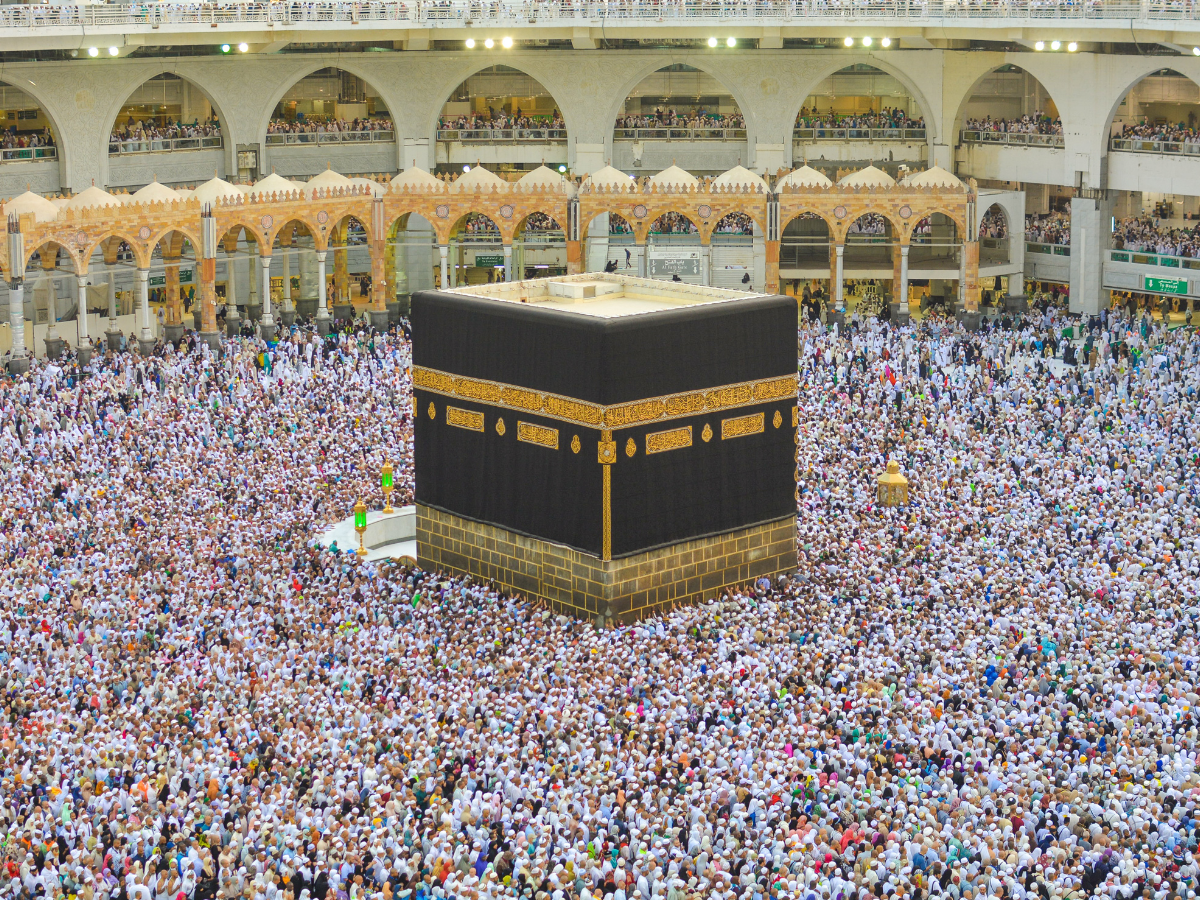
The story of Qurbani finds its roots in the Qur'an and the life of Prophet Ibrahim (AS) and his son Ismail (AS). According to Islamic tradition, Allah (SWT) commanded Ibrahim to sacrifice his beloved son Ismail as an act of obedience and devotion. Despite the emotional turmoil this command must have caused, Ibrahim (AS) was prepared to submit to Allah's will. Furthermore, despite his young age, his son Ismail (AS) was also prepared to be sacrificed so long as the will of God was carried out.
As Ibrahim (AS) was about to carry out the command, Allah (SWT) intervened and replaced Ismail (AS) with a ram, sparing his life. This event is a profound lesson in faith, obedience, and trust in Allah (SWT). The act of Qurbani during Eid ul Adha commemorates Ibrahim's willingness to sacrifice what he loved most for Allah's sake, symbolizing the importance of selflessness and submission.

On the 10th day of Dhul Hijjah, Muslims across the world perform Qurbani by sacrificing an animal, typically a sheep, goat, cow, buffalo, or camel. This act not only celebrates the devotion of Prophet Ibrahim (AS) and Ismail (AS) but also serves as a demonstration of the individual's own faith and obedience to Allah (SWT).
Every adult Muslim who possesses the means to perform Qurbani should do so. According to the Hanafi school of thought, Qurbani is obligatory (wajib), while the other three Sunni schools consider it a highly recommended Sunnah that should not be neglected.
The animals chosen for Qurbani must meet specific age and health criteria:
Additionally, the animals must be in good health and free from defects such as:
Muslims must adhere to the following guidelines while performing the sacrifice:
As the Muslim community has spread globally, not all individuals can personally perform the Qurbani or be present at the time of slaughter. In such cases, many Muslims opt to fulfill their Qurbani duty through reputable charities like Muslim Welfare Canada (MWC). We ensure that the Qurbani is carried out according to Islamic principles, with the meat distributed to those in need, allowing them to partake in Eid ul Adha celebrations.
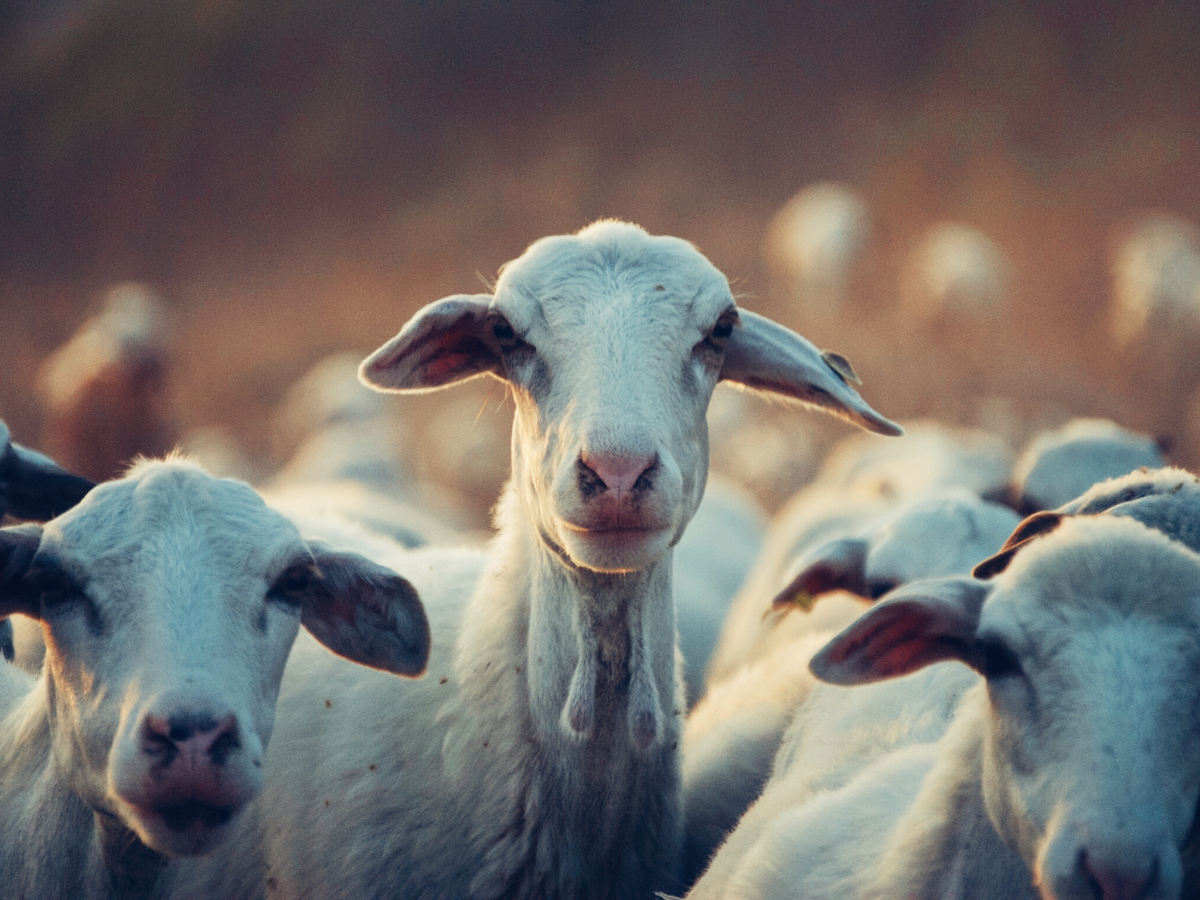
As Eid ul Adha approaches, we invite you to join us in honoring the tradition of Qurbani. By choosing MWC, you can ensure that your Qurbani is performed with utmost care and adherence to Islamic guidelines and that the meat is distributed to those most in need.
Fulfill your Qurbani today with MWC. Together, let us celebrate the spirit of sacrifice and compassion that Qurbani represents.

The story and significance of Qurbani in Islam are rich with lessons of faith, obedience, and selflessness. As we approach Eid ul Adha, let us remember the profound legacy of Prophet Ibrahim (AS) and Ismail (AS) and strive to embody their unwavering devotion in our own lives. By performing Qurbani, we not only honor this sacred tradition but also contribute to the well-being of our brothers and sisters around the world.