
Hajj is one of the Five Pillars of Islam, an annual pilgrimage to the holy city of Makkah in Saudi Arabia that every Muslim must undertake at least once in their lifetime if they are physically and financially able. It is a profound spiritual journey that embodies the principles of devotion, sacrifice, and unity.
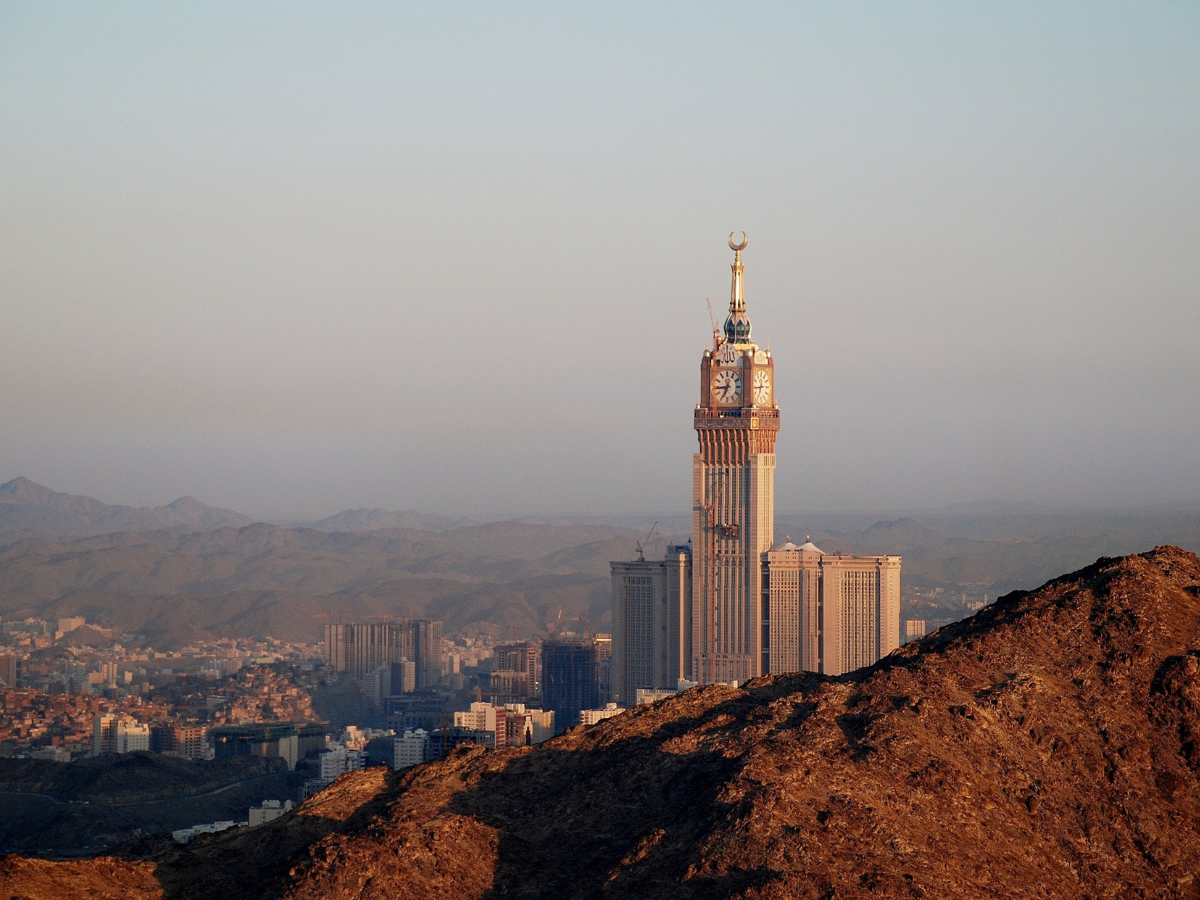
Hajj 2024 is expected to begin on Friday, June 14, and will continue until Tuesday, June 18. These dates are based on the Islamic lunar calendar and may vary slightly depending on the sighting of the moon.
Hajj holds immense significance in Islam, symbolizing the equality and unity of Muslims worldwide. Pilgrims, regardless of their race, nationality, or status, wear simple white garments and perform rituals together, highlighting their unity and submission to Allah.
"And proclaim to the people the Hajj (pilgrimage); they will come to you on foot and on every lean camel; they will come from every distant pass."
— Surah Al-Hajj (22:27)
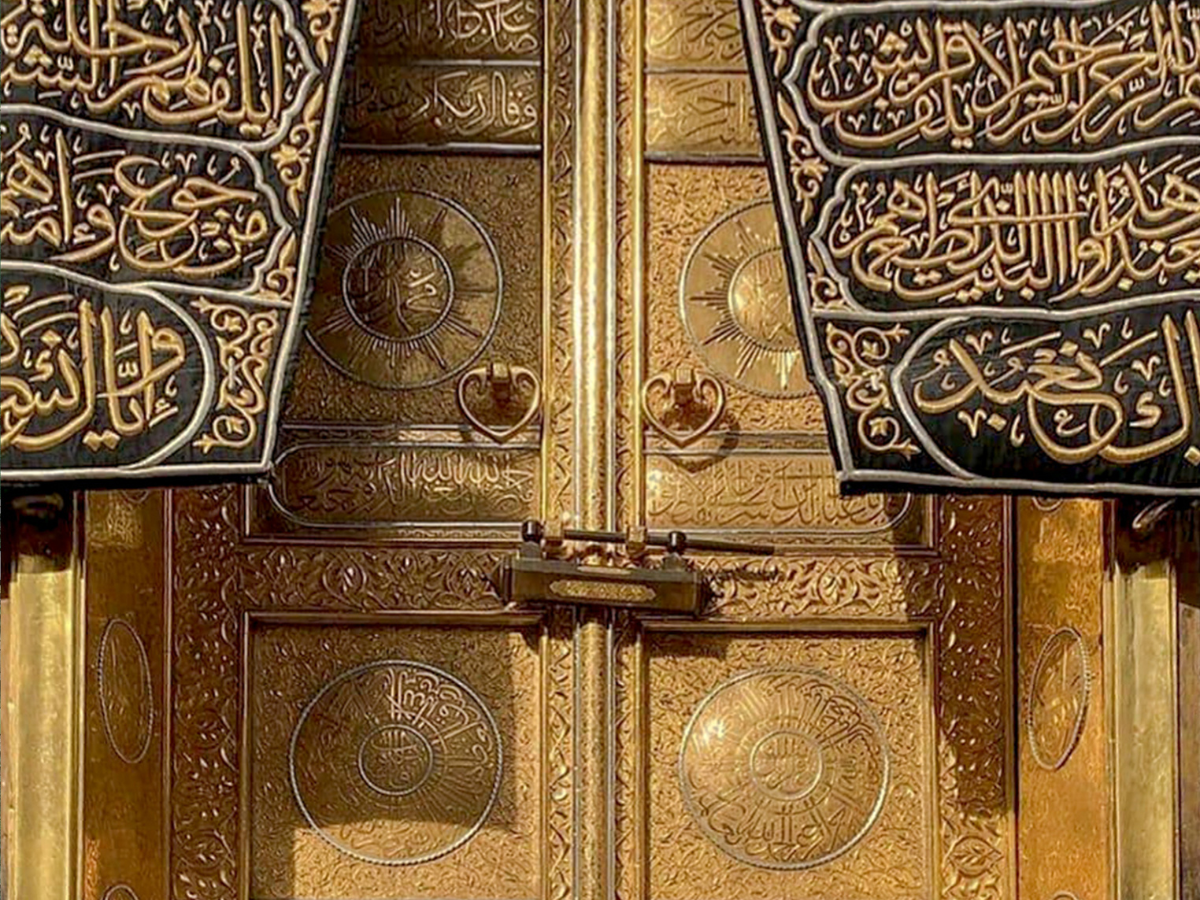
Hajj lasts for a period of five days, each marked by specific rituals:
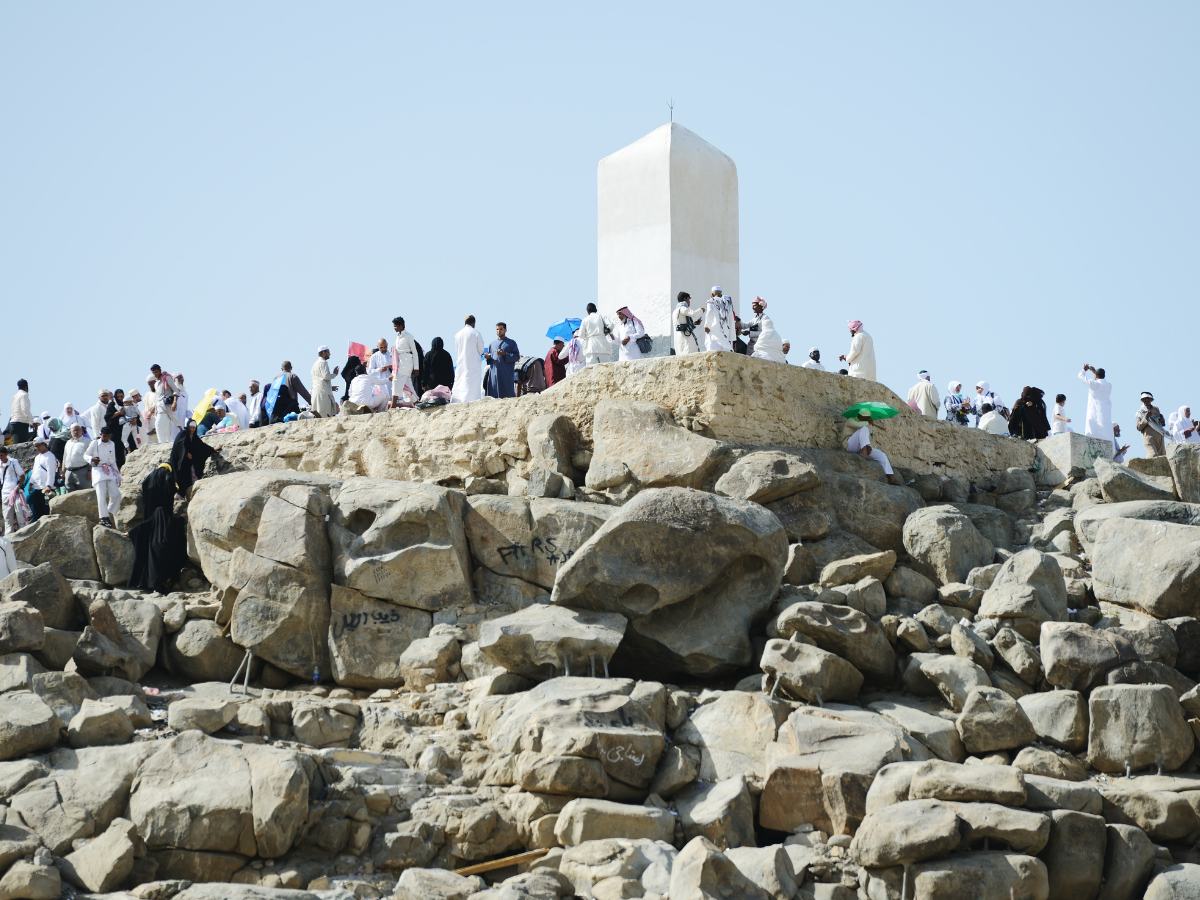
Hajj takes place in and around the holy city of Makkah. Key locations include:
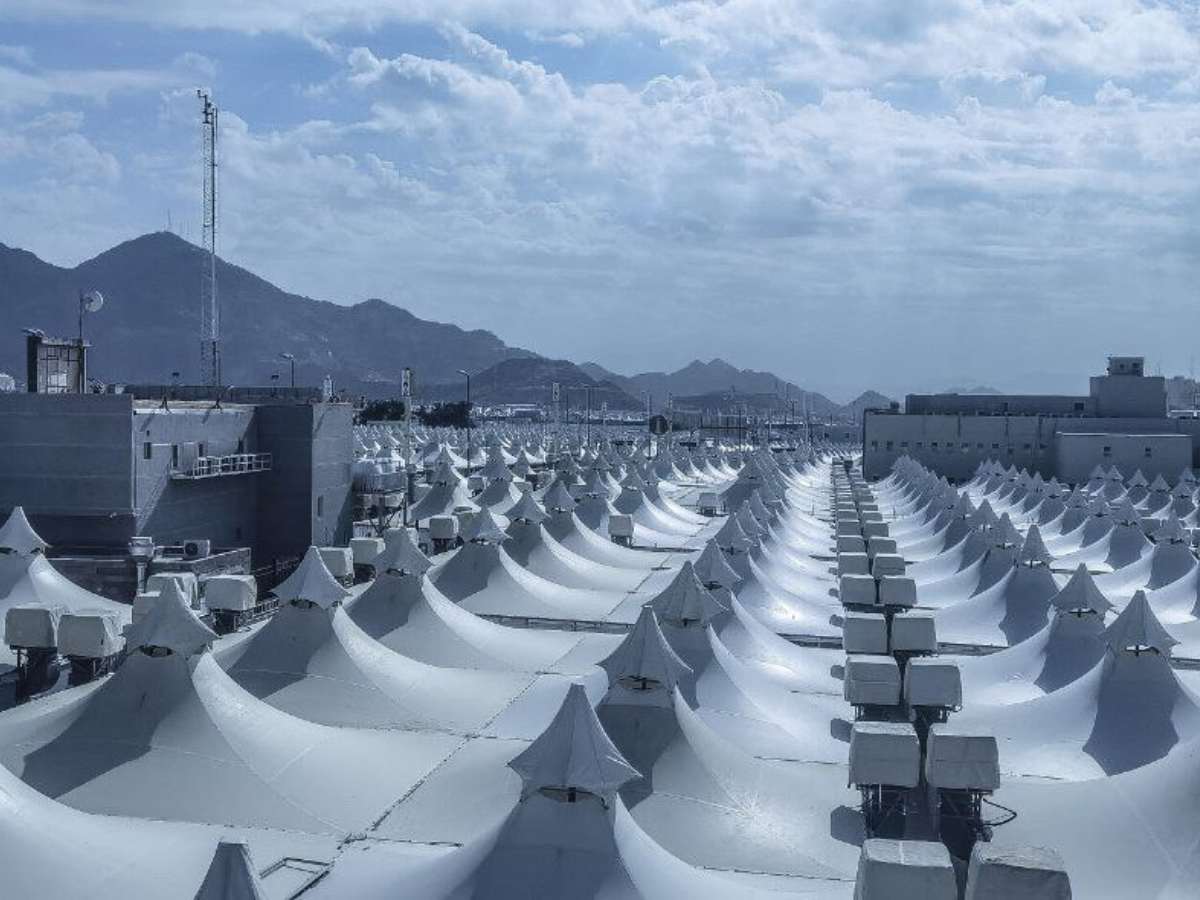
Hajj is obligatory for every adult Muslim who is physically and financially capable of undertaking the journey. Those exempt from performing Hajj include:
Individuals who lack the physical strength or health to travel.
Those who cannot afford the expenses of the journey.
Women without a Mahram (a male guardian).
Children (although they are permitted to go, it is not considered incumbent upon them until they reach the age of maturity).
The story of Hajj is deeply intertwined with the tale of Prophet Ibrahim (AS), his wife Hajar, and their son Ismail (AS). Left in the desert by Allah's command, Hajar searched desperately for water for her thirsty child, Ismail. Her faith and perseverance led to the miraculous spring of Zamzam.
Years later, Allah (SWT) commanded Prophet Ibrahim (AS) and Ismail (AS) to construct the Kaabah, a sacred sanctuary for Allah's worship. Their devotion and obedience laid the foundation for one of the most significant sites in Islam.
Another profound element of Hajj is the story of Prophet Ibrahim's (AS) willingness to sacrifice his beloved son Ismail (AS) as an act of obedience to Allah. At the last moment, Allah provided a ram to be sacrificed instead, commemorating the ultimate test of faith and submission.
This act of devotion is honored during Eid ul-Adha, where Muslims around the world perform Qurbani (sacrifice) to remember Ibrahim's (AS) unwavering faith.
The stories of Ibrahim (AS) and Ismail (AS) remind us of the importance of sacrifice and commitment to our faith. This Hajj season, as you reflect on these lessons, consider contributing to the well-being of those in need. Donate your Qurbani with MWC and help us spread the blessings of Eid ul-Adha to communities worldwide.
By understanding the profound significance of Hajj and the stories that shape it, we not only enrich our spiritual journey but also strengthen our connection to the broader Muslim Ummah.