
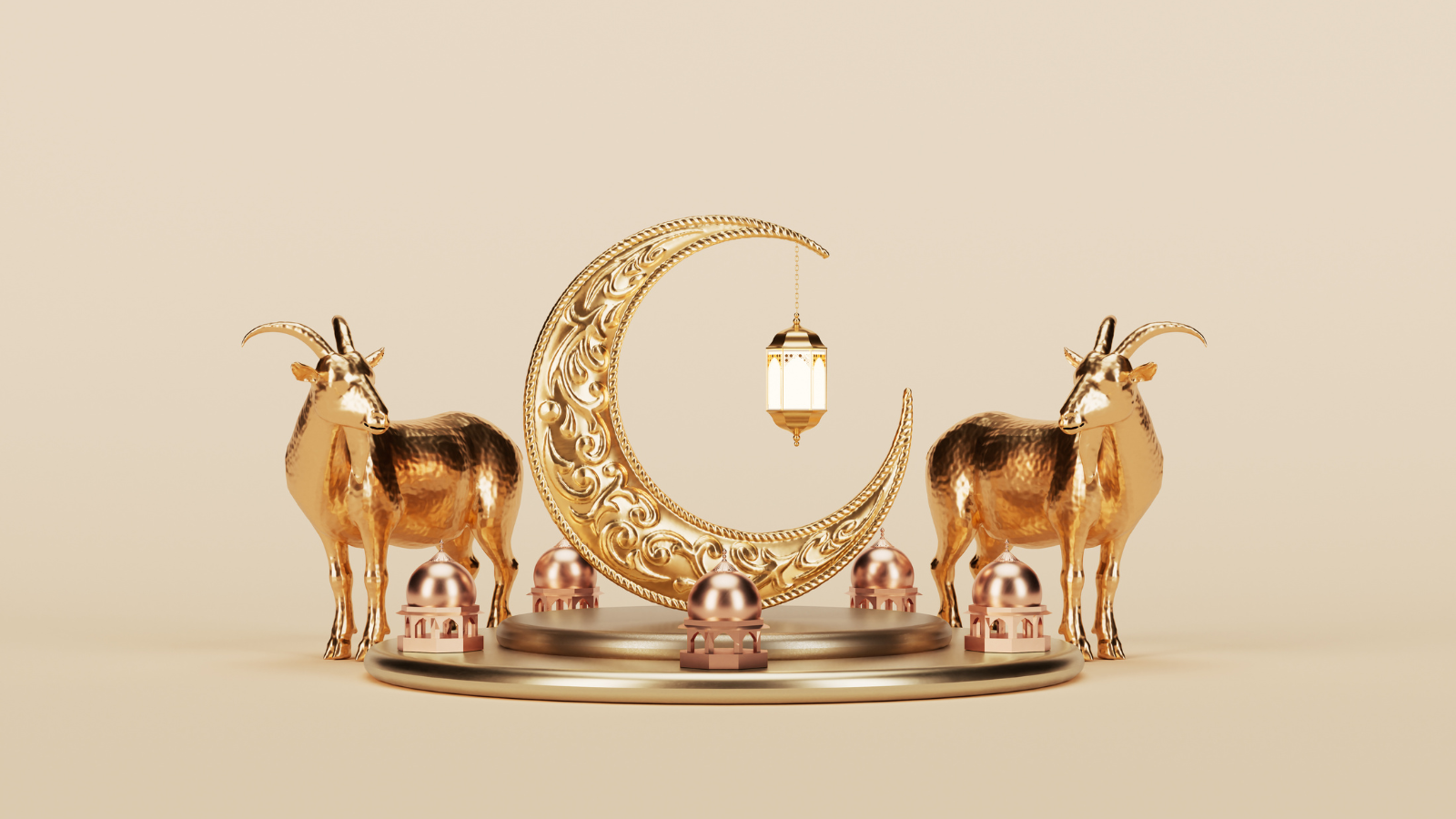
The Islamic calendar, also called the Muslim calendar, is different from the one many Canadians use. It is a lunar calendar, which means it follows the moon’s cycles instead of the sun’s. Because of this, it is about 11 days shorter than the solar calendar we see on most calendars in Canada.
Each month in the Islamic calendar begins with the new moon. One very special month is Dhu al-Hijja, the twelfth and final month. On the 10th day of this lunar month, Muslims celebrate Eid al Adha. It is also when the annual Hajj pilgrimage happens in Makkah, one of the most important places in Islam.
Eid al Adha is sometimes called the Greater Eid. It is one of the most important festivals for Muslims around the world. Many also look forward to Eid al Fitr, which comes after Ramadan. Both festivals follow the Islamic calendar, which helps Muslims keep track of their holy days and acts of worship.
In Muslim countries, Eid ul Adha is often a public holiday. Many Muslims attend special prayers at their local mosque, wear new clothes, and exchange gifts with family and friends. The start of the festival depends on the new moon, which makes it feel special and unique every year.
To answer the question “why is Eid al Adha celebrated,” we need to look at a powerful story in the Islamic tradition. Long ago, Prophet Ibrahim (also known as Prophet Abraham) had a dream where God ordered him to sacrifice his son. He believed it was a message from Allah and was ready to follow it. This shows Prophet Ibrahim’s willingness to do what was asked, even though it was very hard.
When Prophet Ibrahim went to follow the command, Allah stopped him and provided a ram instead. This story teaches us about faith, obedience, and trust in God. His son, Ismail (or Ishmael), is also an important part of this story. Muslims believe this was a test, and both father and only son passed it by showing strong belief in Allah.
During Eid ul Adha, Muslims remember this act. Many families take part in an animal sacrifice, often of a goat, sheep, or cow. This is called Qurbani meat, and it is shared with friends, family, and especially people in need. It shows the importance of giving and helping others.
The story of Prophet Ibrahim’s faith is found in the Quran and is shared with other religions too. Christians and Jews also honour Prophet Abraham, making this story one of the oldest and most important traditions in the world.
There are two big celebrations in Islam: Eid al Fitr and Eid al Adha. Both are times of joy, special prayers, and celebrations. But they happen at different times and remember different events.
Eid al Fitr comes at the end of Ramadan, the month when Muslims fast from sunrise to sunset. It is a time to be thankful, to praise Allah, and to reflect on good actions. People wear new clothes, visit the mosque, and exchange gifts.
Eid ul Adha, on the other hand, answers the question of why Eid al Adha is celebrated. It remembers Prophet Ibrahim’s story and is called the Festival of Sacrifice. It takes place during the Hajj pilgrimage and focuses on sacrifice, faith, and giving to others.
Both festivals are happy and holy days for Muslims, but they are different. Eid al Fitr is about fasting and giving thanks, while Eid al Adha is about trusting Allah and helping those in need. Many people call Eid al Adha the Greater Eid because of its deep meaning and connection to the Hajj.
Eid al Adha, also known as Al Adha, is a very special time. It is called the Festival of Sacrifice. This blessed Eid remembers the strong faith of Prophet Ibrahim, who was ready to give up his only son because God told him to. The festival reminds all Muslims of this great act of faith and obedience to Allah.
During Al Adha, animal sacrifice is performed. A goat, sheep, or cow is sacrificed to honour the story of Prophet Ibrahim’s willingness. This Qurbani meat is shared with family, friends, and people who are in need. It is a time to perform acts of kindness, just like Prophet Ibrahim.
The festival is a chance for spiritual reflection. People go to the local mosque for Eid prayers, dress in new clothes, and exchange gifts. Many Muslims also visit their neighbours and spend time with loved ones. It is a time of good health, joy, and unity for all.
Prophet Muhammad is the final prophet in Islam. He taught Muslims how to live in a way that pleases Allah. He received messages from Allah through the angel Gabriel, and these messages became the Quran.
He showed people how to follow the teachings of Islam with love, patience, and honesty. He also helped explain the story of Prophet Ibrahim and the Hajj. Prophet Muhammad’s life is a model for all Muslims to follow. He taught the value of sacrifice, charity, and faith.
Today, Muslims still follow Prophet Muhammad’s example. They praise Allah, help others, and try to be good people. His life story is a big part of the Islamic tradition, and his lessons are still shared in mosques and homes around the world.
Helping others is a big part of Islam. During Eid al Adha, Muslim aid becomes even more important. Many people donate money, food, or clothes to the poor. Sharing Qurbani meat with people in need is one of the most important acts of this time.
There are many Muslim aid groups that help people all around the world. They give support during natural disasters, conflict, or times of poverty. These groups follow the teachings of Prophet Muhammad and the lessons of Eid al Adha.
Being generous and kind is a way to follow the path of Allah. Acts of charity help create peace, fairness, and love in the world. This is why many Muslims try their best to give during this festival and throughout the year.
The Hajj is the fifth pillar of Islam, and it is very important. Every adult Muslim who is healthy and able should do the pilgrimage to Makkah at least once in their life. It happens once a year during the month of Dhu al-Hijja.
During Hajj, pilgrims travel to Makkah and take part in many holy rituals. They visit the Kaaba, the Black Stone, and walk around it. This is called Tawaf. They also go to Mount Arafat, where they stand and pray. Many pilgrims perform acts of kindness and praise Allah during this time.
The Hajj is a time to come closer to Allah, to ask for forgiveness, and to become a better person. It is a special journey full of meaning and emotion. The Hajj is also linked to Eid ul Adha, which helps us understand why Eid al Adha is celebrated in connection with faith and tradition.
So, why is Eid al Adha celebrated? It is a time to remember Prophet Ibrahim’s great faith, to be thankful, and to give to others. It is a time for family, prayer, and celebration.
Whether it’s attending Eid prayers at the mosque, sharing Qurbani meat, or visiting with friends and family, Eid ul Adha brings people together. It helps us grow in our faith, think about the story of sacrifice, and do our best to follow the path of Allah.
1- Why is Eid al Adha celebrated?
Eid al Adha is celebrated to remember the story of Prophet Ibrahim’s willingness to sacrifice his son to follow Allah’s command. It is a lesson of faith and trust in God.
2- What does the animal sacrifice represent?
The animal sacrifice is a symbol of the ram that was sent to replace Ismail. It reminds Muslims to be generous and help those in need.
3- How is Eid al Adha different from Eid al Fitr?
Eid al Adha is about sacrifice and happens during Hajj. Eid al Fitr happens after Ramadan and is a celebration of fasting and thanks.
4- Do all Muslims go on Hajj?
Not all Muslims go on Hajj, but it is a goal for many. It is only required for those who are healthy and can afford it.
5- What is the meaning of “Qurbani meat”?
Qurbani meat comes from the animal sacrificed during Eid al Adha. It is shared with family, friends, and people in need to spread kindness and joy.